

BoND1: B6G Non-Cellular Technologies for Enhanced IoT Connectivity
El subproyecto liderado por el GIT-UPCT contribuye al desarrollo de redes de comunicación en dos ámbitos clave: las redes IoT no celulares, con una nueva tecnología que permita su despliegue masivo con prestaciones similares a las celulares, y las constelaciones de satélites LEO, diseñando nuevos modelos de encaminamiento y transporte para gestionar grandes volúmenes de datos. Con un equipo de 12 doctores, el grupo aporta experiencia en IoT, redes satelitales, IA y ciberseguridad, y tiene una destacada trayectoria en formación investigadora, con 18 tesis dirigidas y 99 artículos JCR en la última década.
Publicaciones
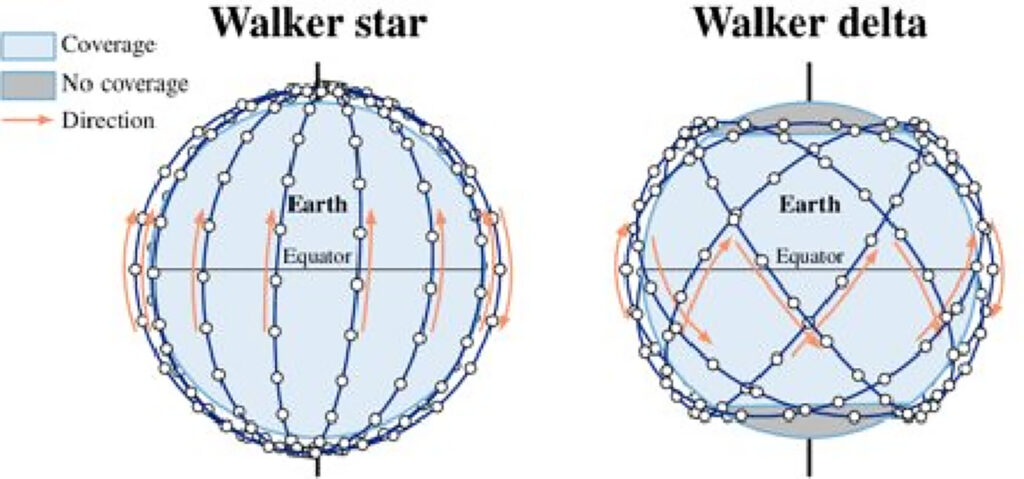
A Comprehensive Review of ns-3-Based Simulation Frameworks for LEO Satellite Constellations: Capabilities and Limitations
Low Earth Orbit (LEO) satellite constellations are redefining the concept of global connectivity, opening up a new world of opportunities for communication services and applications. The emergence of LEO satellites (SATs) is ushering in a new era of innovation, where new complex technologies are being developed, and the use of…
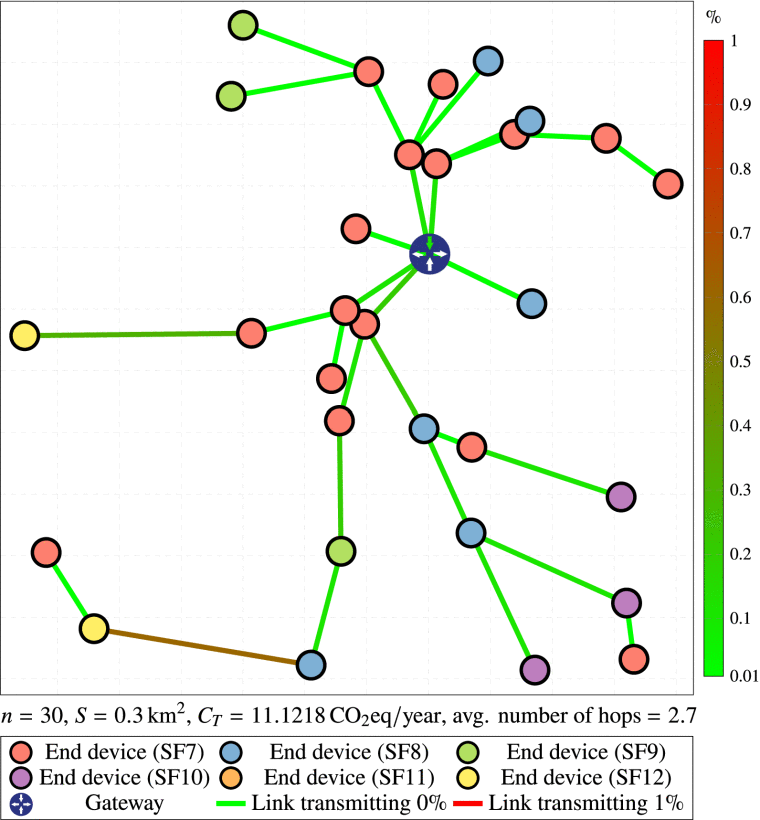
Minimizing the Carbon Footprint in LoRa-Based IoT Networks: A Machine Learning Perspective on Gateway Positioning
The Internet of Things (IoT) is gaining significant attention for its ability to digitally transform various sectors by enabling seamless connectivity and data exchange. However, deploying these networks is challenging due to the need to tailor configurations to diverse application requirements. To date, there has been limited focus on examining…
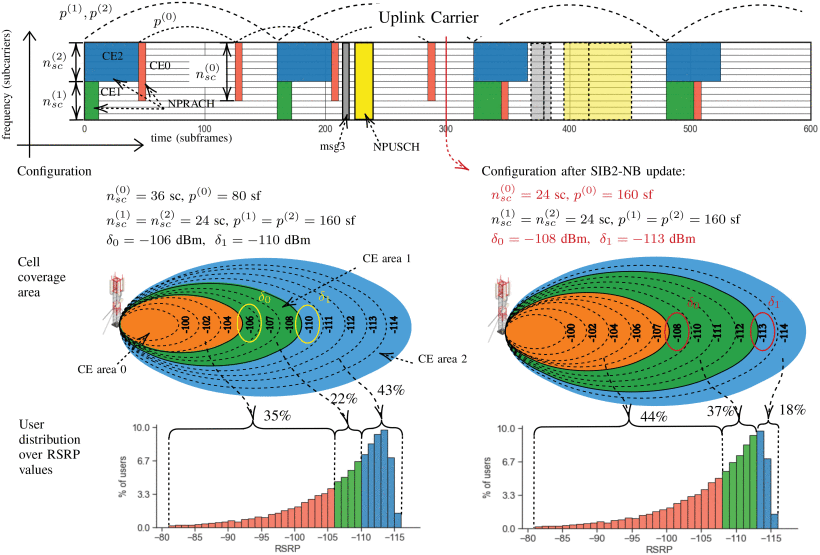
Random Access Control in NB-IoT With Model-Based Reinforcement Learning
In NB-IoT, the cell can be divided into up to three coverage enhancement (CE) levels, each associated with a narrowband Physical Random Access Channel (NPRACH) that has a CE level-specific configuration. Providing resources to NPRACHs increases the success rate of the random access procedure but detracts resources from the uplink…
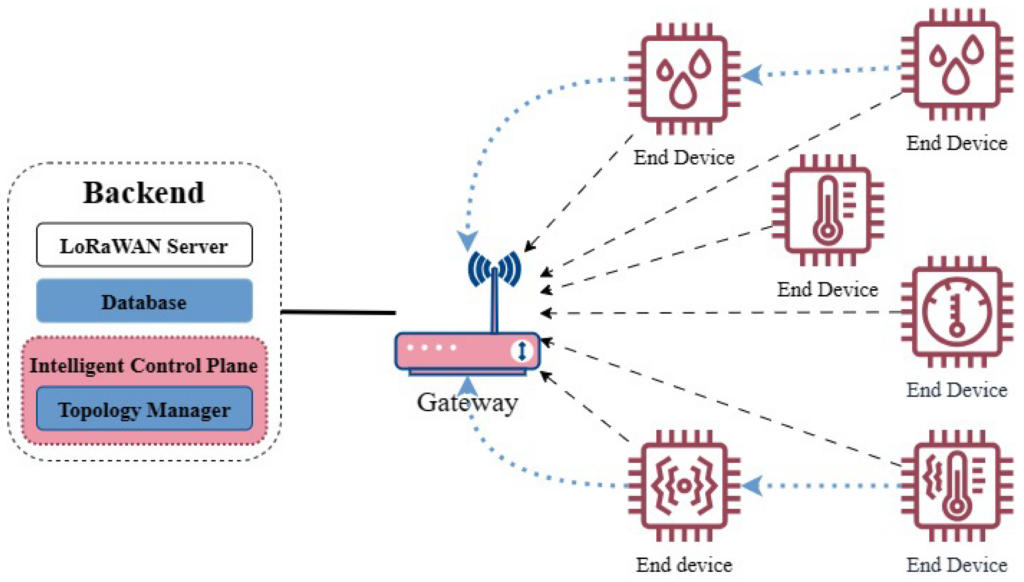
Compliant and Seamless Hybrid (Star and Mesh) Network Topology Coexistence for LoRaWAN: A Proof of Concept
Long-range wireless area networks (LoRaWAN) typically use a simple star topology. However, some nodes may experience connectivity issues with the gateway due to signal degradation or limited coverage, often resulting from challenging environments in sectors such as agriculture, industry, smart cities, smart grids, and healthcare, where LoRaWAN-based IoT solutions have…
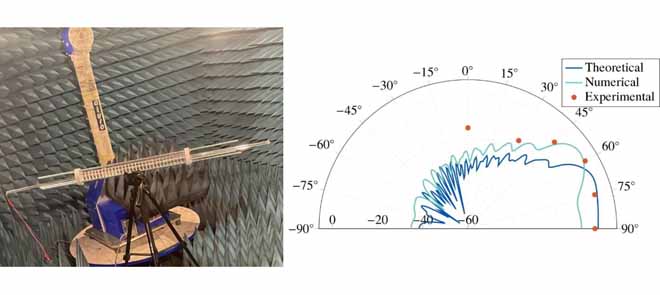
Parametric Study and Experimental Validation of Acoustic Leaky Wave Antenna in Spatial Localization
Acoustic signals, which have been utilized for decades in the spatial localization of objects, have found applications in fields as diverse as sonar for underwater navigation, communication, and object detection. Traditional methods often rely on arrays of transducers, which necessitate the use of expensive hardware and processing algorithms. An emerging…

A Novel Proprietary Internet Video Traffic Dataset Generation Algorithm
Considering the exponential growth of network traffic, particularly driven by over-the-top (OTT) streaming applications, video category network traffic constitutes a significant portion of overall network traffic. However, most research has focused on the categorization and diversity of network traffic using benchmark datasets, with limited attention paid to video category network…
Sobre nosotros
Equipo investigador
Rafael Asorey Cacheda (Investigador principal)
Juan Pedro Muñoz Gea (Coinvestigador principal)
Alejandro Santos Martínez Sala
Juan Carlos Jacobo Aarnoutse Sánchez
Equipo de trabajo
Francisco José Alvarado Alcón